Introduction
When it pertains to choosing the ideal fencing material for your residential or commercial property, the alternatives can be frustrating. Amongst the most popular options are Colorbond fences, traditional wood, and vinyl. Each of these materials brings its unique set of advantages and disadvantages, deciding process rather detailed. This short article looks into the nitty-gritty of comparing Colorbond fences to wood and vinyl, weighing their pros and cons so you can make an informed choice.
Understanding Colorbond Fences
What is a Colorbond Fence?
A Colorbond fence is a type of fencing made from pre-painted steel. It's extensively acknowledged for its durability and visual appeal. The Colorbond procedure includes finishing steel with several layers of protective paint that can endure harsh climate condition, making it an excellent alternative for numerous climates.
Key Functions of Colorbond Steel Fences
- Durability: Highly resistant to use and tear. Low Maintenance: Requires very little maintenance compared to wood. Variety of Colors: Available in a range of colors to match your aesthetic preferences. Security: Uses a robust barrier versus intruders.
Wood Fencing: A Traditional Choice
Advantages of Wood Fencing
Wood fencing has actually been a staple in property lawns for decades. Here are some benefits:
Natural Visual Appeal: The warmth and texture of wood provide an inviting look. Versatile Styles: Readily available in different styles such as picket, divided rail, or privacy styles. Cost-Effective Options: Typically more economical than both Colorbond and vinyl alternatives initially.
Disadvantages of Wood Fencing
Despite its beauty, wood fencing has a number of drawbacks:
Maintenance Needs: Needs regular staining or painting to prevent rot. Vulnerability to Pests: More vulnerable to termites and other insects. Weather Effects: Can warp or fracture over time due to exposure to the elements.Vinyl Fencing: The Modern Alternative
Benefits of Vinyl Fencing
Vinyl fencing has actually surged in appeal throughout the years due to its modern advantages:
Low Upkeep Requirements: Does not need painting or staining. Durability Against Elements: Resistant to fading, splitting, or chipping. Variety in Designs: Can be found in different styles that simulate wood without the drawbacks.
Drawbacks of Vinyl Fencing
However, vinyl isn't best either:
Higher Preliminary Cost: Usually more costly upfront compared to wood. Temperature Sensitivity: May become brittle in severe cold conditions. Limited Modification Options: While readily available in many colors, choices are fewer compared to wood aesthetics.Comparing Colorbond Fences to Wood and Vinyl: Pros and Cons
When taking a look at all three choices-- Colorbond fences, wood, and vinyl-- it's necessary to weigh each material's benefits and drawbacks carefully.
|Function|Colorbond Fence|Wood Fence|Vinyl Fence|| ------------------------|-----------------------|----------------------|----------------------|| Durability|High|Moderate|High|| Upkeep|Low|High|Low|| Aesthetic Appeal|Modern/Sleek|Natural/Warm|Modern/Versatile|| Cost|Moderate|Low (at first)|High (initially)|| Insect Resistance|Excellent|Poor|Exceptional|| Weather condition Resistance|Exceptional|Moderate|Great|
Cost Contrast Among Materials
Initial Costs
The preliminary expenses vary significantly in between these 3 materials:
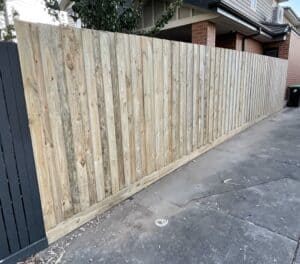
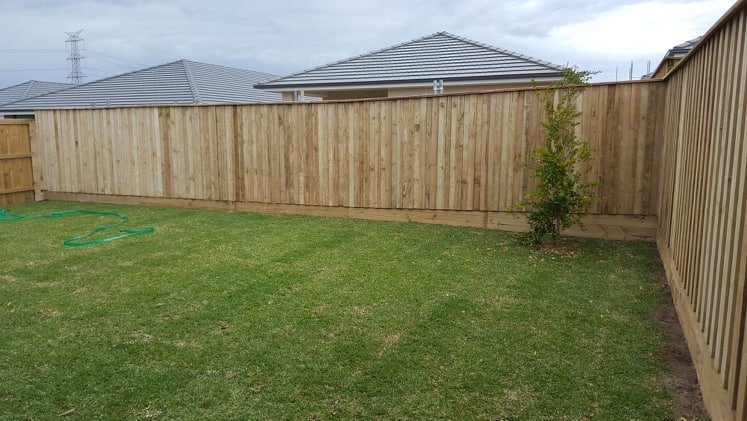
- A common wooden fence may cost around $10-$30 per linear foot. Vinyl fencing generally runs about $20-$40 per direct foot. Meanwhile, a Colorbond steel fence averages $25-$50 per linear foot depending on color choices.
Long-Term Costs
It's essential also to consider long-lasting upkeep expenses:
- Wooden fences need routine upkeep every few years, which can add up significantly over time. Vinyl fences have very little maintenance but might require occasional repairs if damaged. In contrast, Colorbond fences are almost maintenance-free after installation.
Environmental Impact Considerations
Sustainability Aspects
In today's eco-conscious world, sustainability is key when choosing products:
- Wood If sourced sustainably from handled forests, wood can be thought about eco-friendly given that it's biodegradable. Vinyl Although resilient and low-maintenance, vinyl production includes fossil fuels which may not be sustainable long-lasting. Colorbond Steel Steel is recyclable; therefore, at its end-of-life cycle stage, it postures less environmental impact if disposed of properly.
Installation Process Overview
Installing Colorbond Fences
Installing a Colorbond fence normally requires professional assistance due to the weight of the panels and materials involved. Expect around 1-- 3 days for setup depending upon your yard's size.
Installing Wood Fences
A wood fence setup can be done DIY-style or by means of specialists as well however might take longer due to the requirement for accurate measurements and treatments versus pests.
Installing Vinyl Fences
Vinyl installations are frequently easier than both other types however still require cautious preparation for proper alignment.
FAQ Section
1. For how long does a Colorbond fence last?
A properly maintained Colorbond fence can last upwards of 20 years or more due to its resilient building and construction versus weather condition fluctuations.

2. Is a wood fence helpful for privacy?
Yes! Wooden fences provide fantastic personal privacy options with solid panel designs that block sightlines effectively.
3. Can I paint my vinyl fence?
While you technically might paint it, it's typically unnecessary as the majority of vinyl products come pre-colored with UV-resistant pigments designed not to fade over time.
4. Are there any service warranties on these types of fences?
Yes! Most makers offer service warranties ranging from ten years as much as lifetime assurances depending upon brand credibility for both vinyl and Colorbond products.
5. How do I tidy my color bond steel fence?
Simply clean with soap & & water option utilizing a soft cloth or sponge; prevent abrasive tools that could scratch surfaces!
6. What's much better for coastal areas-- Color bond steel or wood?
For seaside areas where saltwater rust prevails-- Color bond steel would be more effective due its corrosion-resistant homes unlike susceptible woods like pine!
Conclusion
Choosing in between a Colorbond fence, wood fencing, or vinyl boils down mainly to individual choice in addition to practical considerations like budget restraints or regional environment elements affecting sturdiness requires! When comparing Colorbond fences specifically against their wooden & & vinyl counterparts-- it becomes clear they shine brightly when resilience meets low maintenance needs without jeopardizing on aesthetic value!
So whether you're drawn toward that smooth modern look offered by Color bond products-- or possibly favoring https://squareblogs.net/lygrigmwjz/essential-maintenance-tips-for-extending-the-life-of-your-colorbond-steel-fence conventional beauty found within handcrafted wood barricades-- understanding all pros & & cons allows you eventually guide towards making finest decision tailored exactly based upon what matters most distinctively YOU!